The chai stall index: how one corner reads the city
Prices, gossip, job leads, traffic reports and one perfectly timed kadak cut — everything a neighbourhood knows passes through its tea stall first.
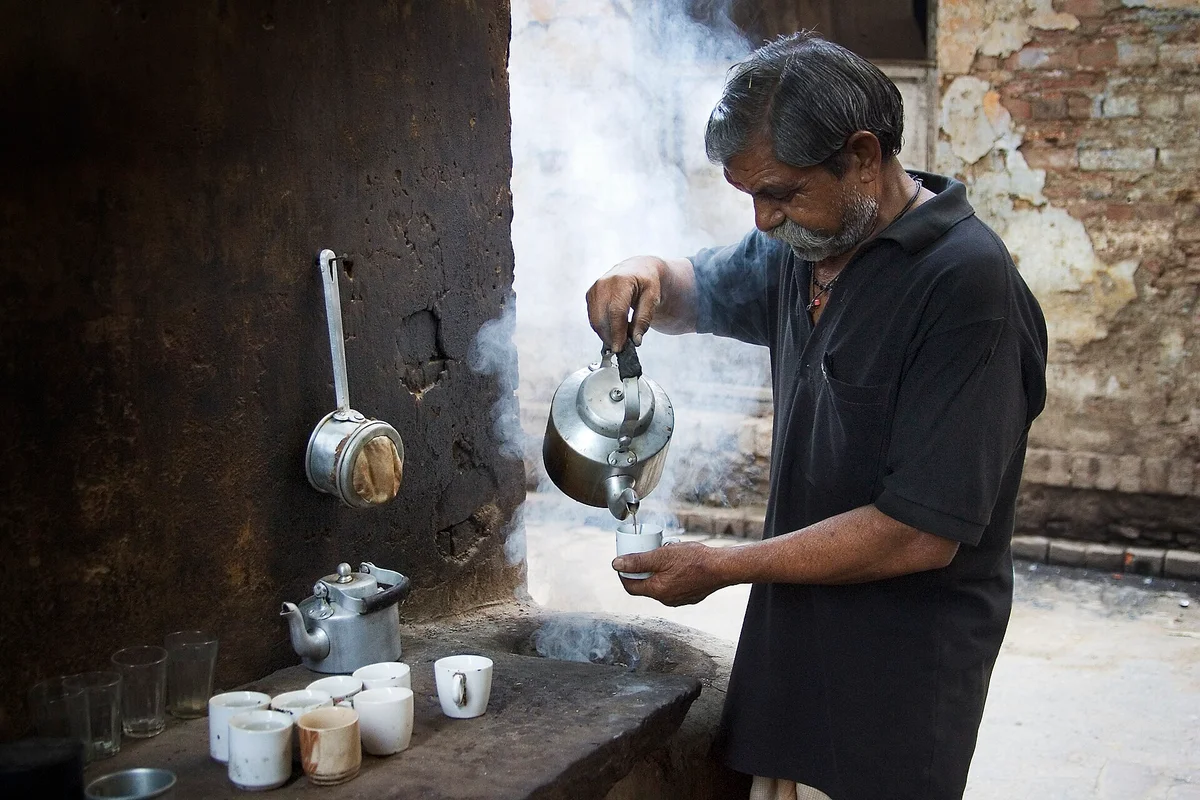
The stall opens at six and knows everything by seven. Which lane is dug up, whose shop changed hands, which office is hiring helpers, what the market did yesterday — information arrives with customers and leaves with the next glass.
The proprietor's brew follows the day's rhythm: strong and sweet for the morning shift, lighter for the office crowd, and an evening kadak whose colour he checks against the light like a jeweller grading a stone.
Economists talk about informal networks; the stall simply runs one. A contractor finds two painters by the second glass. A student learns which PG has a room before it is advertised. Somebody's cousin's transfer is announced, discussed and blessed between refills.
The stall's own economics are steel-glass precise: milk, sugar, fuel and rent, measured against glasses poured. The owner can tell you his break-even by the hour. He can also tell you, without looking up, that it will rain by four. He is right about both.


Reader Comments
Comments are reviewed by our desk before they appear. Sign in with your mobile number to join the discussion.